

 Gangasagar Eco Tourism
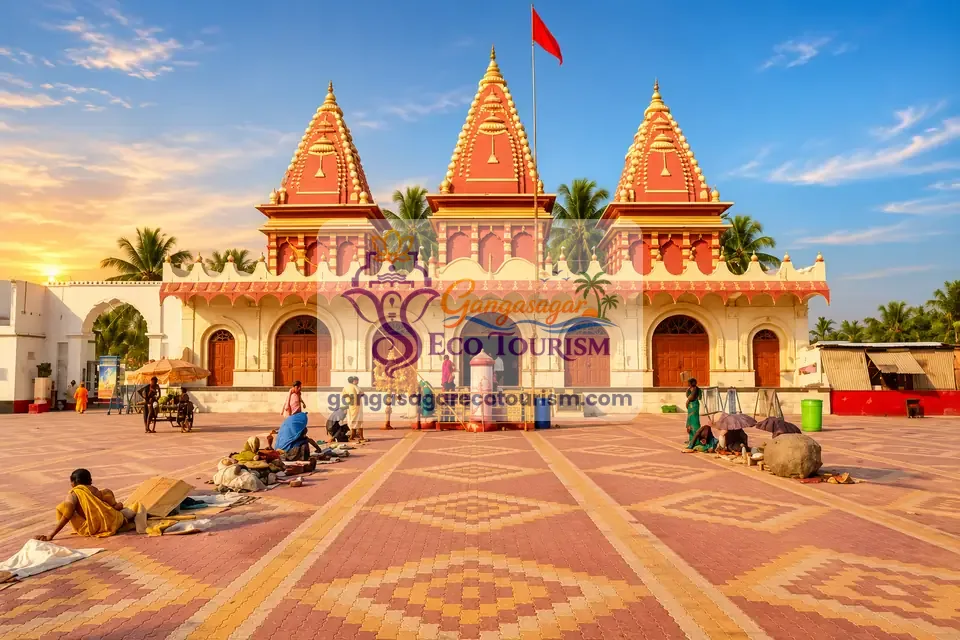
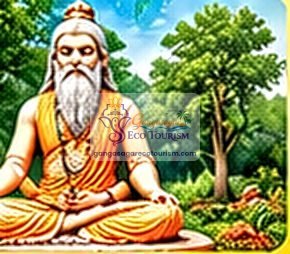
Kapil Muni Ashram, also known as Kapil Muni Temple or Kapil Muni Mandir, is the main spiritual attraction of Gangasagar, situated on Sagar Island in the South 24 Parganas district of West Bengal, India.
Dedicated to the great sage Maharishi Kapil Muni, the sacred temple is closely associated with the descent of the holy River Ganga, King Sagar and the legendary story of liberation (Moksha).
Located near Gangasagar Beach and the sacred confluence of the River Ganga and the Bay of Bengal, Kapil Muni Ashram welcomes devotees and spiritual travellers from across India and around the world.
The temple holds special importance during the annual Gangasagar Mela on Makar Sankranti. However, Gangasagar and Kapil Muni Ashram can be visited throughout the year, all 365 days, subject to local conditions and temple regulations.
History and Mythologi
The spiritual history of Kapil Muni Ashram is deeply rooted in Hindu mythology and ancient religious traditions.
According to the Bhagavata Purana, Maharishi Kapil Muni was born to Sage Kardama and Devahuti and is revered in Hindu tradition as an incarnation of Lord Vishnu. He is also associated with the teachings of Samkhya philosophy.
The Legend of King Sagar and His 60,000 Sons
According to Hindu mythology, King Sagar performed an Ashwamedha Yajna, during which the sacrificial horse disappeared.
His 60,000 sons searched for the horse and eventually reached the hermitage of Sage Kapil Muni, where the horse had been hidden by Lord Indra.
Mistaking Kapil Muni for the person responsible, the princes disturbed the sage during his deep meditation. According to the traditional legend, the power of the sage’s anger reduced them to ashes.
The Descent of the Holy Ganga
Generations later, King Bhagiratha performed intense penance to bring the sacred River Ganga from heaven to Earth so that the souls of his ancestors could attain liberation.
According to the legend, Lord Shiva controlled the tremendous force of the descending Ganga through his matted hair before allowing the river to flow upon the Earth.
The sacred waters eventually reached the remains of King Sagar’s sons, granting them liberation.
This legendary event gives Gangasagar its extraordinary spiritual significance and connects Kapil Muni Ashram with the Hindu concepts of devotion, purification and Moksha.
History of the Present Kapil Muni Temple
Gangasagar has been an important pilgrimage destination for centuries.
Historical accounts and local traditions suggest that earlier temple structures were affected by coastal erosion, storms and changing shorelines.
The present Kapil Muni Temple is generally associated with a reconstruction in the early 1970s. Local accounts commonly refer to 1973, although some historical sources mention 1971.
Today, the temple continues to serve as the spiritual centre of Gangasagar pilgrimage.
Gangasagar Holy Snan and Kapil Muni Darshan
A traditional Gangasagar pilgrimage usually includes two important spiritual activities:
1. Holy Snan at Gangasagar Sangam
Devotees take a sacred dip in the waters near the confluence of the River Ganga and the Bay of Bengal. According to Hindu belief, this holy bath symbolises spiritual purification and devotion.
2. Darshan and Puja at Kapil Muni Ashram
After the holy bath, pilgrims visit Kapil Muni Temple to offer prayers, seek blessings and perform religious rituals.
Devotees may also arrange Puja, Havan, Pind Daan, Tarpan and other religious services according to their family traditions and the guidance of authorised priests.